How to Use SEO to Drive Targeted Traffic to Your Website
Getting traffic to your website is only half the battle. If your analytics show thousands of visitors but your inbox is empty and your sales are flat, you have a targeting problem. The true goal of SEO is not simply to inflate your visitor count. The goal is to attract the right people: users who are actively searching for solutions, products, services, comparisons, or answers related to your business. When you attract targeted traffic, every visitor is a potential customer, subscriber, or client.
According to industry data, organic search continues to drive over half of all trackable website traffic across the web. However, a page can receive massive traffic and still perform poorly if those visitors are not relevant to your business goals. Old SEO tactics often focused on ranking for as many high-volume keywords as possible, regardless of relevance. Modern SEO is entirely different. Today, success requires matching search intent, creating genuinely useful pages, improving the user experience, and building topical authority. Let us walk through how you can build a strategy that attracts visitors who are ready to engage.
Target Keywords That Match Real Customer Intent
Targeted SEO traffic starts with choosing the right keywords. It is tempting to chase every high-volume keyword in your industry, but that is often a mistake. You need to prioritize keywords that match the specific audience you actually want to attract. A keyword is only valuable if it brings the right type of visitor to your site.
To do this effectively, you must understand search intent. Search intent is simply the reason behind the search and what the user expects to find when they hit enter. A broad informational keyword like “marketing” might bring thousands of visitors, but a specific commercial keyword like “best content marketing tools for small business” brings visitors who are actively looking to make a purchase. When conducting keyword research, you must look beyond search volume and keyword difficulty. You need to identify buyer intent, informational intent, commercial intent, local intent, and problem-aware searches.
Before you commit to targeting a keyword, evaluate whether it actually fits your business goals. Ask yourself: Does this query match a real customer problem? Can our business genuinely answer or solve it? Is the visitor likely to need the product, service, or next step we offer? Finally, is ranking for this keyword realistic given our website’s current authority and competition level? Never target a keyword solely because it has high search volume. Relevance and user intent must always come first.
Create the Right Pages for Each Search Intent
Different search intents require different types of pages. SEO is not just about writing endless blog posts. Sometimes, the right page to capture a query is a service page, a dedicated landing page, a comparison article, a product page, a location-specific page, or a resource hub. Creating the wrong page type severely limits your SEO performance.
You must match the page format to the user’s intent. If the intent is informational, the user likely needs a comprehensive guide, a tutorial, a checklist, or a clear explainer. If the intent is commercial, they are evaluating options and will need a comparison page, an alternatives list, a review-style article, or a buying guide. Transactional intent requires a direct path to purchase or conversion, such as a product page, a service breakdown, or a pricing page. Local intent demands a location-specific service page or a local landing page with clear contact details.
If users want to compare software options, a generic educational blog post will not satisfy their query, and they will bounce back to the search results. If they are ready to hire a provider, an informational article is not enough; they need a service page. Every page you create must have a clear purpose, a logical next step, and content that fully answers the user’s query. The goal is to help the user move forward, not just to publish another page for a keyword.
Optimize Pages for Rankings, Clicks, and User Experience
Once you have created the right pages, they must be optimized so search engines can understand them and users actually want to click and stay. This is where on-page SEO, readability, user experience, and trust intersect. Rankings and clicks work together. A page needs to rank highly, but it also needs a title and description that make the right user want to visit.
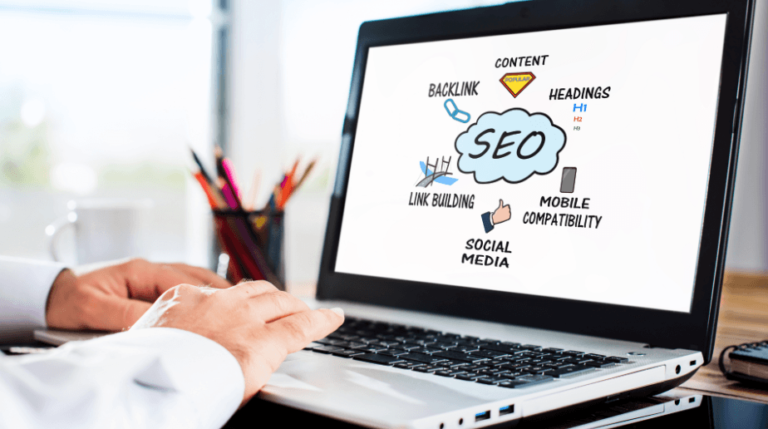
Start with the first things a user sees. Write a clear title tag that directly matches the search intent, and craft a meta description that explains the specific value of the page to encourage clicks. On the page itself, use one clear H1 heading and descriptive H2 and H3 subheadings to structure your content. Do not bury your value proposition; place the main answer or solution early on the page.
Keep your paragraphs short and your explanations clear. Use formatting elements like bullet points, tables, visuals, FAQs, or summary boxes when they genuinely help the user digest the topic. Where relevant, implement schema markup such as Article, FAQPage, BreadcrumbList, LocalBusiness, Product, or Service schema to help search engines categorize your content accurately. Ensure the page loads quickly, works flawlessly on mobile devices, and is easy to navigate. Above all, avoid keyword stuffing, vague headings, thin content, or pages that feel like they were written exclusively for search engine bots.
Build Authority With Helpful Content, Internal Links, and Backlinks
Targeted SEO traffic becomes consistent and reliable when your website builds authority around the topics that matter most to your audience. Authority is not just about accumulating backlinks from other sites. It also comes from publishing useful supporting content, demonstrating clear topical coverage, and utilizing smart internal linking.
Build helpful content as supporting material around your core business topics. For example, a main service page can be supported by detailed guides, FAQs, comparison articles, pricing explainers, and industry-specific resources. You then connect these related pages using internal links. Internal links help users find the next useful resource, guide visitors from informational content to conversion pages, and help search engines understand which pages are the most important on your site. This structure supports topic clusters and establishes your topical authority.
Backlinks, which are links from other websites pointing to your pages, are also crucial. They help your important pages compete in more difficult search results. However, backlinks should always support strong, relevant content; they cannot compensate for weak pages. You must avoid spammy backlinks, irrelevant guest posts, manipulative anchor text, and low-quality placements. Build your authority through genuinely useful content, relevance, trust, and natural industry connections. When you consistently provide value, you drive website traffic with SEO that acts as a long-term channel for attracting relevant visitors.
SEO is not about attracting everyone on the internet. It is about helping the right people find the right page at the exact moment they need it. This system works best when all four parts work together: target the right keywords, create the right pages, optimize for user experience, and build authority. If you are looking for reliable ways to support your broader visibility goals and accelerate your traffic growth, consider exploring how SparkTraffic can help you reach the audience your business deserves.