Augmented Reality Explained
Augmented Reality (AR) represents a significant shift in how individuals interact with their surroundings. By overlaying digital information onto the physical world, it enhances user experiences in engaging ways. Key technologies such as marker tracking and depth sensing enable this seamless integration. As industries explore AR’s potential, the implications for creativity and user engagement become increasingly apparent. What transformations might this innovation bring to everyday life and various sectors?
What Is Augmented Reality?
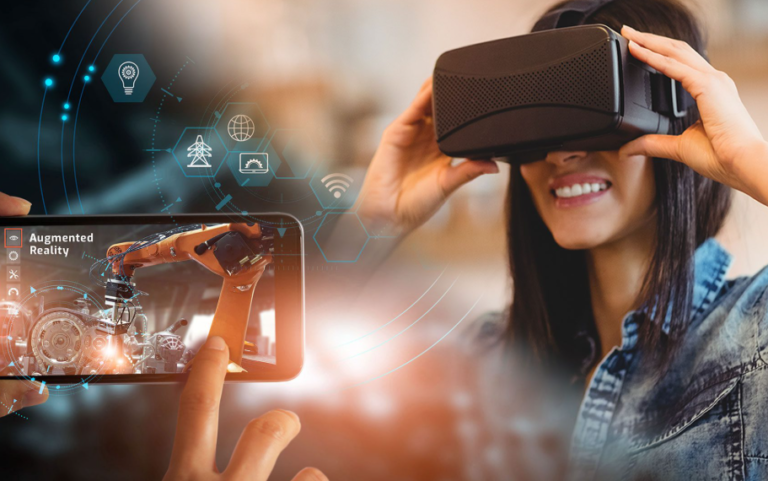
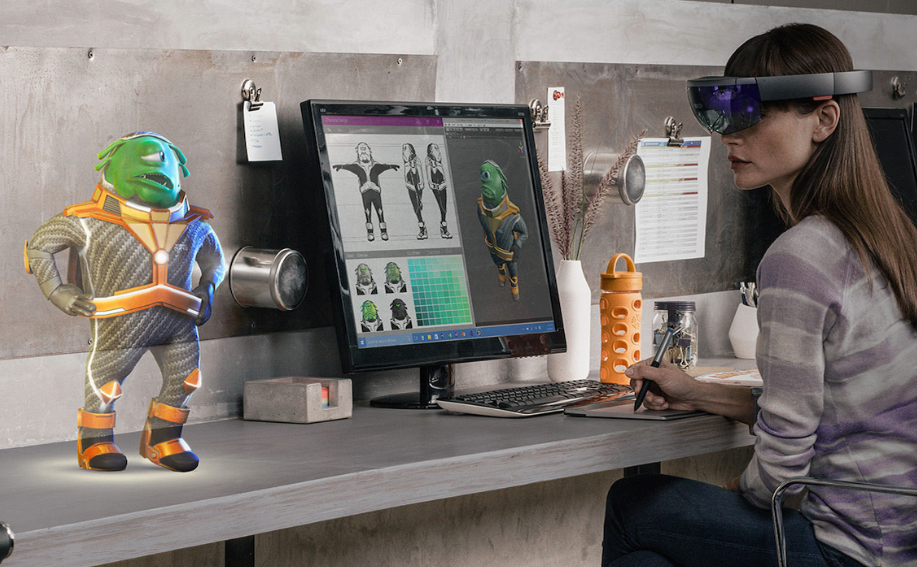
Augmented reality (AR) represents a transformative intersection of the digital and physical worlds, enhancing user experiences by overlaying digital information onto real-life environments.
By utilizing virtual overlays, AR creates immersive experiences that allow individuals to interact with both digital and tangible elements seamlessly.
This technology fosters creativity and exploration, empowering users to engage with their surroundings in novel and liberating ways.
See also: AR Vs VR Technology
Key Technologies Behind AR
As digital information increasingly integrates with the physical world, several key technologies underpin the functionality of augmented reality.
Marker tracking allows devices to recognize specific visual cues, enhancing the overlay of digital content.
Meanwhile, depth sensing enables accurate spatial mapping, ensuring that virtual elements align seamlessly with real environments.
Together, these technologies create immersive experiences that redefine interaction with our surroundings, promoting a sense of freedom in exploration.
Applications of Augmented Reality
While many may associate augmented reality (AR) primarily with gaming and entertainment, its applications extend far beyond these realms into various sectors that enhance everyday life and professional practices.
AR enriches gaming experiences by immersing players in interactive worlds, while also revolutionizing retail enhancements, allowing consumers to visualize products in their own environments, thereby bridging the gap between digital and physical shopping experiences.
Future Trends in Augmented Reality
The landscape of augmented reality is poised for significant evolution, driven by advancements in technology and shifting consumer expectations.
Future trends indicate a rise in immersive experiences through the integration of smart glasses, enhancing everyday interactions.
As AR becomes more accessible and user-friendly, it is expected to redefine entertainment, education, and communication, ultimately empowering users to explore their environments in innovative ways.
Conclusion
In conclusion, augmented reality stands at the forefront of technological innovation, merging the digital and physical realms like a magician conjuring wonders from thin air. As key technologies evolve, AR’s applications will continue to expand across diverse industries, reshaping how individuals interact with their environments. The future promises even more immersive experiences, fostering creativity and exploration. Ultimately, augmented reality is not just a fleeting trend; it is a pivotal force that will redefine our perception of reality itself.