AR Vs VR Technology
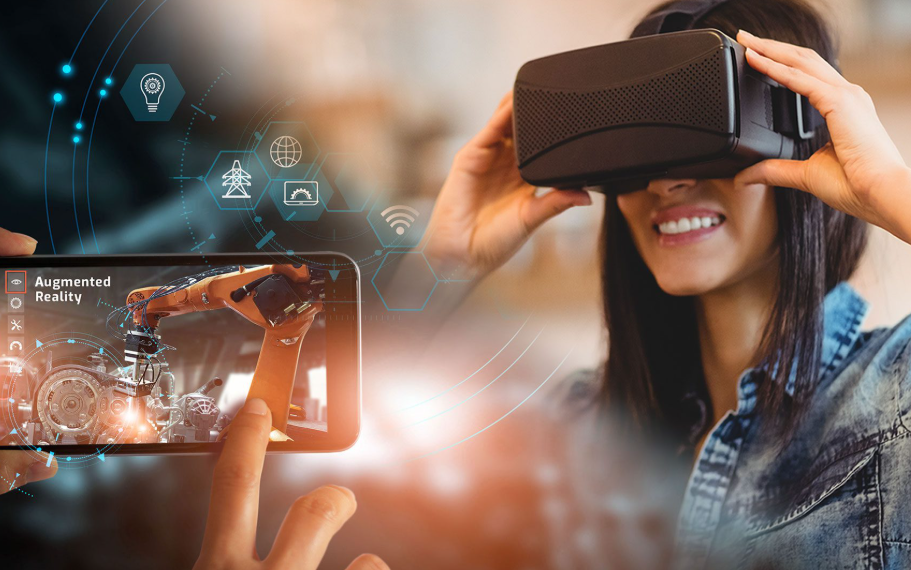
Augmented Reality (AR) and Virtual Reality (VR) represent two distinct yet complementary approaches to enhancing user experiences. AR integrates digital elements into the real world, facilitating interaction with the environment. In contrast, VR immerses users in entirely virtual spaces, creating a profound sense of presence. Understanding the nuances of these technologies reveals their unique applications and potential impact across various industries, raising questions about their future and the evolution of user engagement.
Understanding Augmented Reality
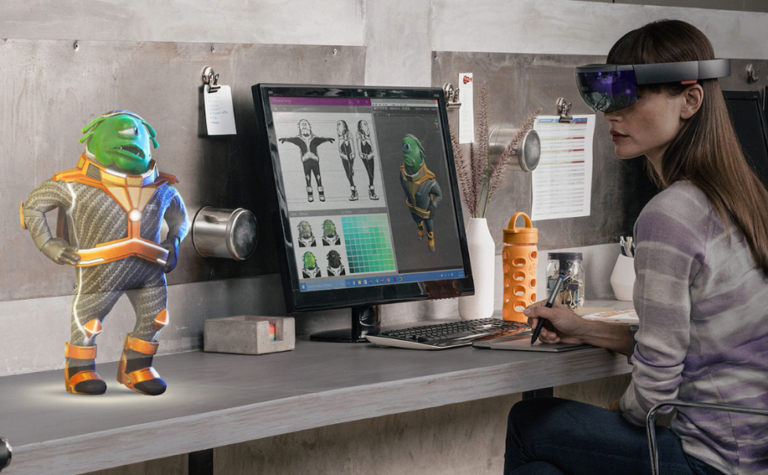
Augmented Reality (AR) represents a transformative intersection of the digital and physical worlds, enhancing real-life environments with computer-generated information.
By integrating digital overlays into everyday experiences, AR fosters interactive experiences that empower users to engage with their surroundings in innovative ways.
This technology not only enriches personal interactions but also broadens the scope of creativity, offering unprecedented freedom in how one perceives reality.
See also: appkodseo
Exploring Virtual Reality
Virtual Reality (VR) takes the concept of immersive experiences a step further by completely immersing users in a simulated environment, creating a sense of presence that can often feel indistinguishable from reality.
This technology enhances user interaction, allowing individuals to engage actively with their surroundings. As users navigate virtual worlds, they experience a profound sense of freedom, redefining entertainment, education, and social interaction.
Applications Across Industries
As industries increasingly embrace immersive technologies, the applications of augmented reality (AR) and virtual reality (VR) are becoming more diverse and impactful.
Retail experiences are enhanced through AR’s interactive displays, while VR revolutionizes healthcare training by simulating real-life scenarios.
Gaming innovations continue to push boundaries, and educational tools leverage these technologies to create engaging learning environments, fostering a deeper understanding and exploration of complex subjects.
The Future of AR and VR Technologies
How might the evolution of AR and VR technologies reshape the landscape of human interaction and experience?
As these technologies advance, they promise to create increasingly immersive experiences, blurring the lines between physical and digital realms.
Enhanced digital integration will not only revolutionize entertainment and education but also foster deeper connections among individuals, ultimately redefining how society perceives and engages with the world.
Conclusion
In summary, while Augmented Reality and Virtual Reality serve distinct purposes—one enhancing the real world and the other creating a fully immersive experience—they both hold transformative potential. As industries increasingly adopt these technologies, a future where the digital and physical realms seamlessly intertwine appears on the horizon. Will society embrace this duality, or will it be overwhelmed by the rapid pace of change? Ultimately, the choice lies in how we harness these powerful tools to enrich our lives.